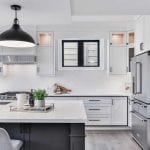

Before you approve custom storage, ask your designer how every inch will be utilized—consider vertical, horizontal, wall, and corner spaces. Inquire about shelving depths, drawer sizes, and hanging zones based on your wardrobe and reach. Confirm the durability of materials, finishing options, and maintenance requirements. Discuss lighting, ventilation, and strategies for managing clutter. Clarify budgetary trade-offs and timelines.
Additionally, find out how they will assist with streamlining your mornings, color coordination, and seasonal swaps. Thoughtful questions often uncover what plans may overlook.
Questions to Optimize Every Inch of Space
Before you sketch layouts, ask your designer how they’ll measure and use every vertical and horizontal inch—walls, corners, and the back of doors included.
Request specific space utilization techniques for shelves, drawers, and hanging zones. Push for vertical storage solutions like double-hang sections, pull-down rods, and high cubbies.
Discuss closet layout optimization for shoes, accessories, and long garments. Probe strategies for maximizing corner spaces with curved rods, angled shelves, or blind-corner pullouts.
Ask where multi-functional furniture fits—benches with drawers, mirrors with hooks, islands with hampers.
Verify clearance for doors and walkways, and ensure adjustability as your wardrobe evolves.
How Will You Approach Color Coordination?
With your layout set to use every inch, ask how the designer will organize by color to simplify choices and elevate the look.
Request a plan grounded in color psychology to boost mood enhancement and reduce decision fatigue. Have them map seasonal palettes—light, airy hues for spring/summer and richer tones for fall/winter—so rotations feel intuitive.
Confirm clear organizing methods: rainbow order, light-to-dark gradients, or neutrals grouped by undertone.
Ask how finishes and lighting support visual appeal and accurate hue reading. Ensure accessory zones mirror apparel color flows.
Finally, get labels or dividers that reinforce the system without overwhelming the design.
Strategies to Tackle Clutter and Disorganization
Even if your closet feels chaotic, start by asking the designer for a purge-and-prioritize plan that matches how you actually dress.
Request clutter reduction strategies tied to categories—keep, tailor, donate—and schedule recurring edits.
Ask about decluttering techniques that pair limits with containers sized to your wardrobe.
Explore built-in shelving solutions for shoes, folded knits, and handbags, plus drawers with dividers for small items.
Push for storage organization methods that label zones and prevent overflow.
Confirm item accessibility plans: eye-level for everyday pieces, higher shelves for seldom-used items, and clear bins for seasonal gear.
Track results with quick weekly resets.
Designing for a Smooth Morning Routine
Although closets are personal, a smooth morning routine comes from a design that anticipates your decisions. Ask your designer to map your sequence: shower, skincare, undergarments, outfit, shoes, and accessories.
Prioritize item accessibility at each step to boost morning efficiency and decision making ease. Group daily pieces at eye level, place workwear together, and stage grab-and-go zones for belts, watches, and bags.
Use valet rods for preplanned outfits and divided drawers for socks and intimates. Assign a landing shelf for essentials. Incorporate labeled bins for gym or travel kits.
This routine optimization trims steps, limits choices, and delivers reliable stress reduction.
Lighting Options for a Bright, Functional Closet
Streamlined routines work best when you can actually see what you’re choosing, so make lighting part of the design brief from the start.
Ask your designer how ambient lighting will evenly brighten shelves and corners, then layer task lighting for drawers, shoe walls, and mirrors.
Discuss motion sensors, dimmers, and adjustable fixtures to fine-tune brightness by zone and time of day.
Prioritize LED options for low heat, long life, and accurate color rendering.
If you have windows or a transom, plan to harness natural light while preventing glare.
Confirm wiring routes, switch placement, and code-compliant solutions for a safe, bright closet.
Materials, Finishes, and Maintenance Considerations
What matters most in your closet’s materials and finishes—durability, budget, or a specific look?
Ask your designer to compare material durability: solid wood, plywood, MDF, and metal.
Review finish options like laminates, thermofoil, and stained or painted wood, noting scratch resistance and cleaning needs.
Request eco-friendly choices, such as low-VOC finishes, FSC-certified wood, and recycled content.
Get maintenance tips for hinges, drawer glides, and touch-up procedures.
See how the samples of the stain and sheen look under your lights.
Customization options include edge profiles, hardware metals, integrated lighting channels, and protective liners.
Clarify warranties, replacement parts, and lead times for special finishes.
Achieving Harmony and Aesthetic Cohesion
Ever wonder why some closets instantly feel calm and cohesive? Ask your designer how to translate your personal style into cohesive themes without sacrificing function.
Talk about maintaining a consistent color scheme, using consistent hardware, and balancing proportions. Explore the concepts of color harmony, uniform hardware, and proportion to establish a visual balance. To achieve depth within a cohesive color scheme, experiment with different textures, such as matte, gloss, woven, and woodgrain.
Request door styles, edge profiles, and lighting that harmonize, not compete. Compare timeless choices with design trends and decide where to play versus where to stay classic.
Make sure there’s a consistent pattern: one main finish, one accent, and one texture highlight.
Finally, review samples together to verify harmony in real light.
Smart Solutions for Seasonal Items
Carry that cohesive look in how you stash off-season pieces by giving them smart, defined homes.
Ask your designer for seasonal storage that uses labeled bins, breathable garment bags, and shelf dividers sized for sweaters, boots, and outerwear.
Plan rotating systems: adjustable shelves and lift-up bins high for winter in the summer, then swap.
Create dedicated spaces for luggage, ski gear, and holiday accessories.
Specify accessibility solutions like rollout bins, pull‑down rods, and clear fronts, so you see what you’ve stored.
Build an off-season organization checklist: purge, clean, label, then archive.
Ensure lighting and inventory apps simplify retrieval.
Designing to Support Confidence and Well-Being
How can a thoughtfully planned closet lift your mood each day? Ask your designer how emotional design can reduce stress the moment you open the door.
Organizational benefits that enhance mornings include clear zones, intuitive placement, and visible favorites for quick decision-making.
Prioritize an aesthetic impact that reflects your style—cohesive colors, pleasing textures, and lighting that flatter.
Request features that provide a confidence boost: a well-lit mirror zone, a valet rod for next-day outfits, and tidy homes for accessories.
Evaluate how these choices translate into daily satisfaction.
Finally, confirm systems that keep order effortless, sustaining well-being long after installation.
Balancing Functionality With Beauty
While you’re dreaming up a beautiful closet, press your designer on how each aesthetic choice earns its keep.
Ask how they balance functionality vs beauty so shelves, rods, and drawers serve daily habits without sacrificing visual appeal. Clarify your aesthetic priorities—warm woods, sleek metal, or minimalist lines—and map them to usability considerations like reach zones, vertical efficiency, and lighting.
Probe design versatility: adjustable shelving, modular inserts, and hardware swaps that evolve with seasons and style.
Test door styles against airflow and access. Choose colors that help you sort quickly. Make it so that all accents, finishes, and handles contribute to ease, longevity, and productivity.
Transform Every Space with Royal Palm Closet
Investing in custom storage should feel effortless—and with Royal Palm Closet, it does. Our award-winning team blends smart design with premium craftsmanship to optimize every inch of your home. From couture-worthy closets to chef-inspired kitchens, spa-style bathrooms, hardworking pantries and laundry rooms, efficient home offices, durable garage storage, and beautiful outdoor cabinetry, we tailor each solution to your lifestyle, aesthetics, and budget.
Take advantage of well-planned layouts, integrated lighting, locally crafted, high-quality cabinets, and everyday-use finishes. In order to improve the aesthetics and functionality of your space, our designers will listen to your needs before advising you on materials, upkeep, and smart upgrades. The end result is a space that is easy to navigate, offers protection for your clothing and possessions, and maintains its pristine appearance for a long time.
Are you prepared to swap out clutter and compromise for clarity and confidence? Partner with Royal Palm Closet—Southwest Florida’s trusted expert in custom closets and fine cabinetry—and love the way your whole home works for you. Let’s design spaces you’ll enjoy every single day.